Kratom and Mental Health: What You Should Know
Kratom has become increasingly popular in recent years.
Often marketed as a natural supplement for pain, anxiety, or mood, kratom is widely available online and in stores. Because it is plant-based, many people assume it is safe.
But kratom is not without risks—especially when it comes to mental health and interactions with psychiatric medications.
Understanding how kratom works is important before using it.
What Is Kratom?
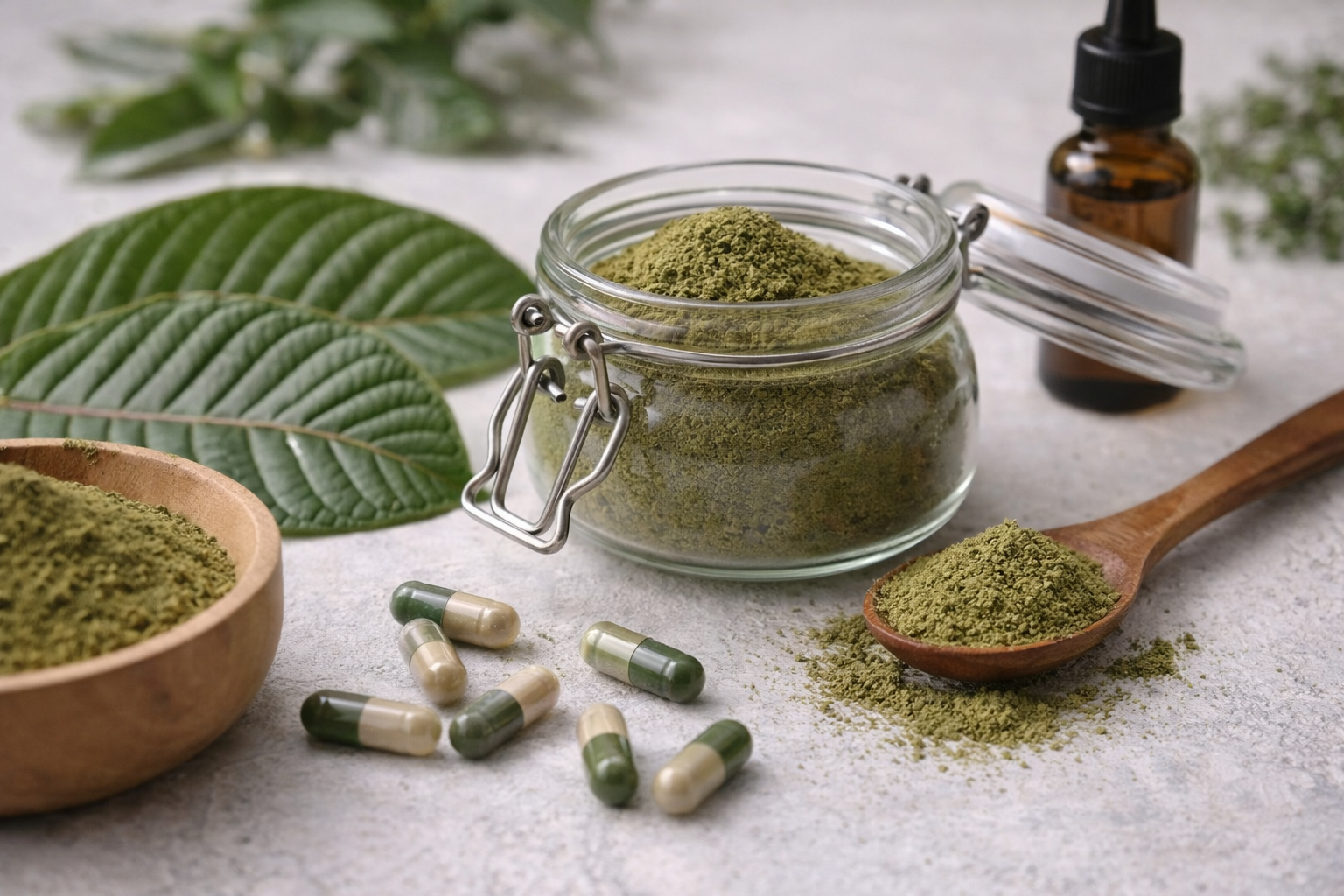
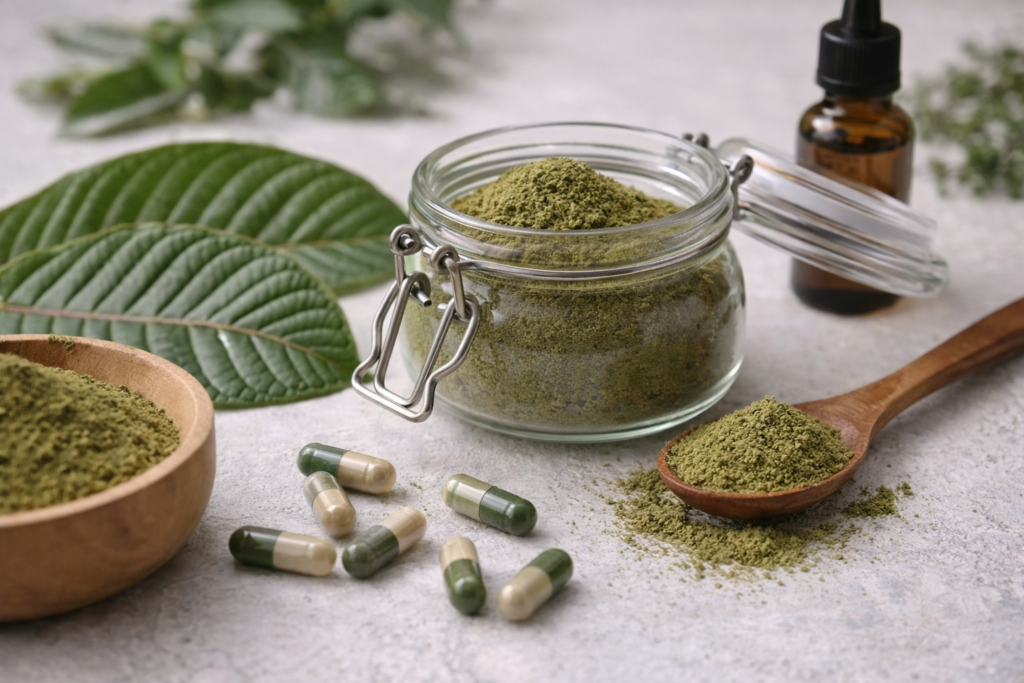
Kratom is a plant derived from a tree native to Southeast Asia.
It contains active compounds that affect the brain in ways similar to both stimulants and opioids, depending on the dose.
At lower doses, kratom may feel stimulating.
At higher doses, it can have sedating or pain-relieving effects.
Because of these properties, some individuals use kratom to manage:
- Anxiety
- Depression
- Pain
- Fatigue
- Opioid withdrawal symptoms
However, its effects on the brain are complex and not fully predictable.
Why Kratom Can Be Risky
Kratom directly affects brain receptors involved in mood, reward, and pain.
This means it can:
- Alter mood and anxiety levels
- Impact energy and focus
- Interact with other substances that affect the brain
While some people initially experience temporary relief, kratom can also lead to unwanted effects.
These may include:
- Increased anxiety or irritability
- Mood instability
- Sedation or fatigue
- Difficulty concentrating
- Nausea or physical discomfort
Over time, the brain can adapt to kratom, leading to tolerance and dependence.
Dependence and Withdrawal
One of the most important concerns with kratom is the potential for dependence.
With regular use, some individuals find they need increasing amounts to achieve the same effect.
If stopped abruptly, withdrawal symptoms may occur, such as:
- Anxiety
- Restlessness
- Irritability
- Sleep disturbances
- Low mood
This can create a cycle where kratom is used not just for relief, but to avoid feeling worse.
Interactions with Psychiatric Medications
Kratom can interact with medications commonly used in psychiatry.
Because it affects neurotransmitters and liver metabolism, combining kratom with prescription medications may:
- Increase side effects
- Reduce medication effectiveness
- Lead to unpredictable responses
This is especially important for individuals taking medications for anxiety, depression, ADHD, or mood stabilization.
“Natural” Does Not Mean Safe
A common misconception is that plant-based substances are inherently safe.
In reality, many natural compounds have powerful effects on the brain and body.
Kratom is not regulated in the same way as prescription medications, meaning:
- Dosage and purity can vary
- Products may be inconsistent
- Contaminants are possible
This adds another layer of unpredictability.
A Thoughtful Approach to Treatment Matters
If you are struggling with anxiety, mood symptoms, or fatigue, there are safe, evidence-based treatments available.
While kratom may seem like a quick solution, it does not address underlying causes and may complicate treatment over time.
At Pink Rose Psychiatry, care is individualized and focused on safe, effective, and sustainable approaches to mental health.
If You’re Using Kratom, Talk About It
Many patients hesitate to mention kratom use to their provider.
However, this information is important for your safety.
A non-judgmental conversation allows your treatment plan to be adjusted appropriately and helps avoid unwanted interactions or side effects.