Adult ADHD: Signs, Evaluation, and Treatment Options
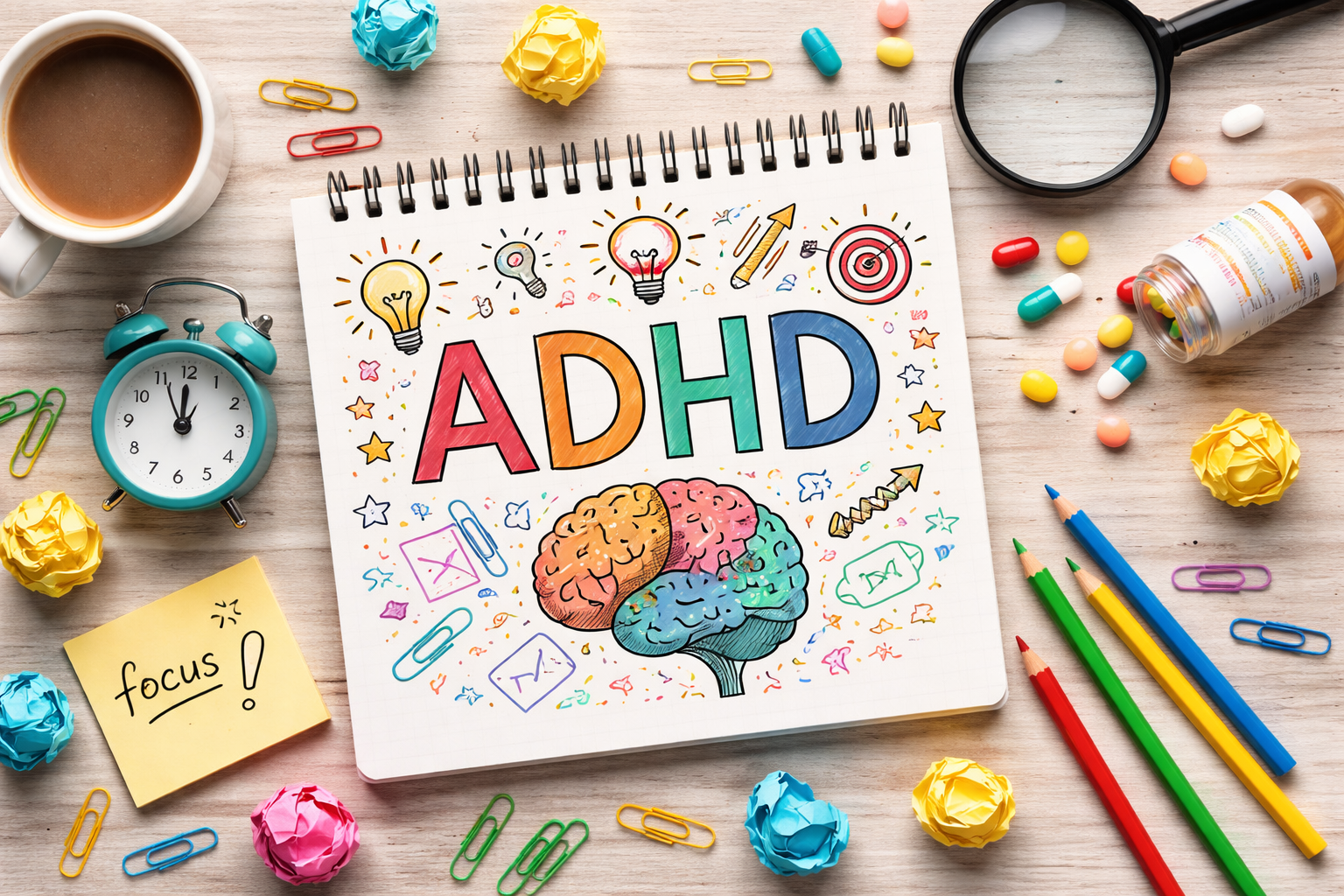
Attention-Deficit/Hyperactivity Disorder (ADHD) is a neurodevelopmental condition that affects attention, focus, organization, and impulse control. While ADHD is often associated with childhood, many individuals continue to experience symptoms into adulthood. In some cases, symptoms are not recognized until adulthood, when increased responsibilities make them more noticeable.
Adult ADHD can present differently than childhood ADHD. Common symptoms include difficulty maintaining focus, forgetfulness, disorganization, procrastination, and trouble completing tasks. Individuals may struggle with time management, feel overwhelmed by daily responsibilities, or have difficulty staying mentally engaged during conversations or work tasks.
Many adults with ADHD describe feeling mentally restless, easily distracted, or unable to sustain attention despite strong motivation. These challenges can affect work performance, academic success, relationships, and overall quality of life.
A comprehensive psychiatric evaluation is required to accurately diagnose ADHD. This evaluation involves a detailed clinical interview, review of symptom history, and assessment of how symptoms affect daily functioning. The goal is to determine whether ADHD is present and to rule out other conditions that may produce similar symptoms.
Treatment for ADHD is highly effective and may include medication, supportive therapy, and behavioral strategies. Psychiatric medications can improve focus, attention, and executive functioning by regulating brain pathways involved in attention and impulse control.
With proper evaluation and treatment, individuals with ADHD often experience significant improvement in focus, productivity, and overall functioning.
* Pink Rose Psychiatry provides comprehensive ADHD evaluation and treatment for adults, both in person and via secure telehealth. *