What Anxiety Really Feels Like – and When to Seek Help

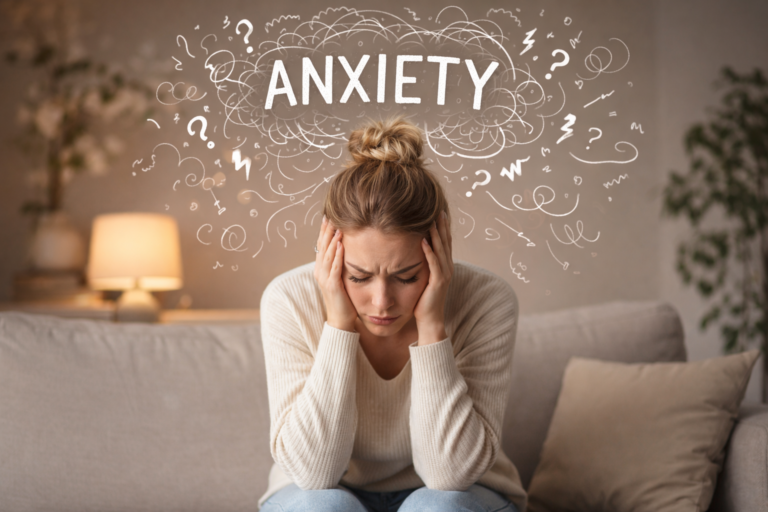
Anxiety is one of the most common mental health conditions, yet it is frequently misunderstood. Many people assume anxiety is simply worrying too much, but clinical anxiety often involves physical, emotional, and cognitive symptoms that can significantly affect daily functioning.
Anxiety may present as persistent worry, racing thoughts, difficulty concentrating, or feeling constantly on edge. Some individuals experience physical symptoms such as increased heart rate, muscle tension, restlessness, fatigue, or difficulty sleeping. In some cases, anxiety can lead to panic attacks, which may feel overwhelming and frightening.
It is important to recognize that anxiety is not a personal weakness. It is a medical condition involving the brain’s stress response system. When this system becomes overactive, the body remains in a heightened state of alert even when no immediate danger is present.
Many individuals live with anxiety for years before seeking treatment, often believing their symptoms are simply part of their personality or something they must tolerate. However, anxiety is highly treatable. Treatment options may include medication, supportive therapy, or a combination of both. The appropriate approach depends on the severity of symptoms, medical history, and individual goals.
Seeking treatment can improve quality of life, enhance emotional stability, and help individuals regain a sense of control and calm. Early treatment is associated with better outcomes and can prevent symptoms from worsening over time.
If anxiety is interfering with your daily life, sleep, work, or relationships, professional evaluation can help determine the most appropriate next steps.
* Pink Rose Psychiatry provides comprehensive psychiatric evaluation and treatment for anxiety, both in person and via secure telehealth. *